
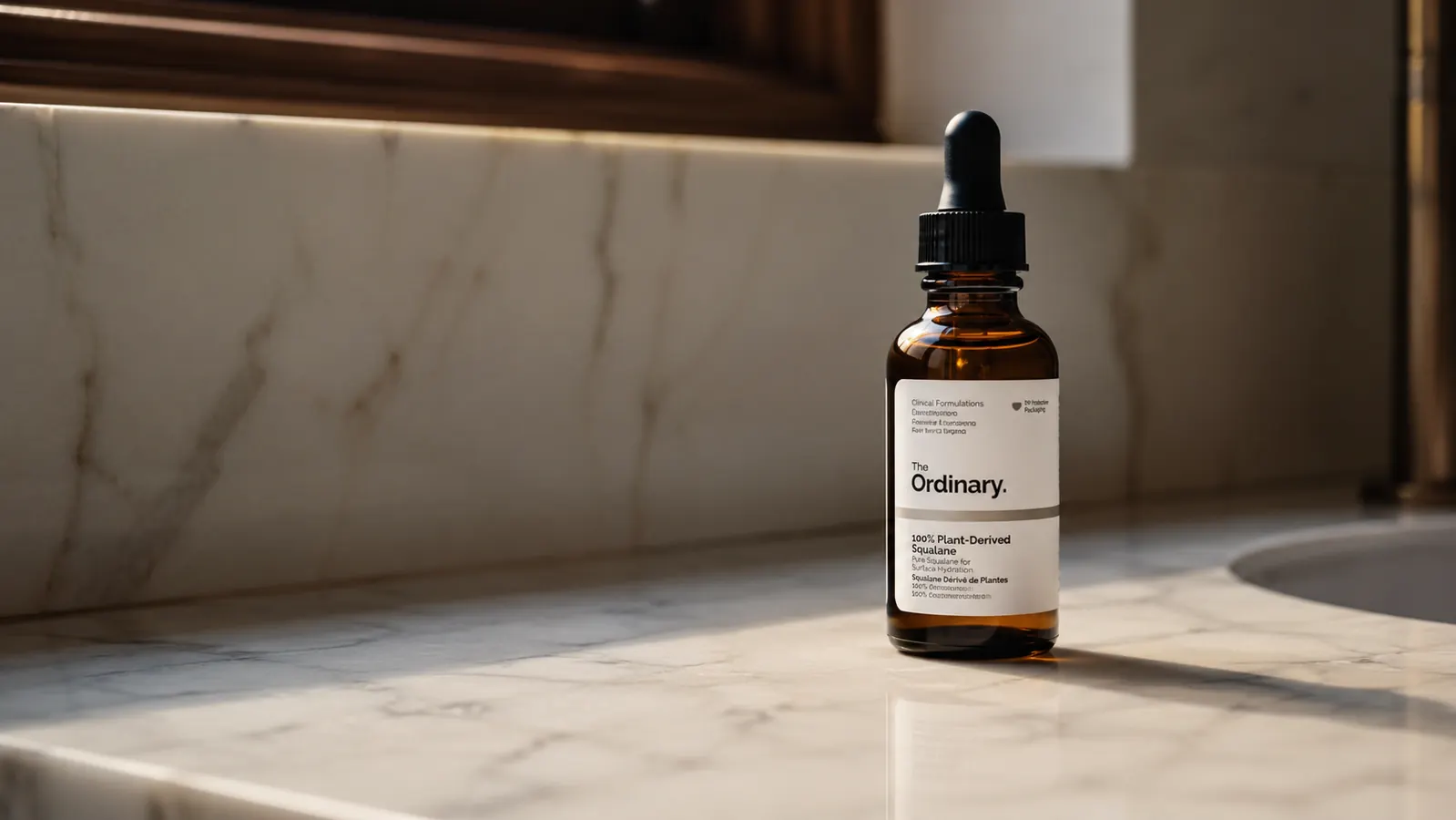
Nobody hands you a warning label with a bottle of face oil. You click add to cart, it shows up in a little brown box a few days later, and you're on your own figuring out the rest. I've used Timeless Skin Care Squalane Oil long enough now, and heard from enough other women my age in the comments and at church, that I want to tell you the parts the five-star reviews skip right over. Not because the oil is bad. It's one of the few things in my cabinet I've reordered without hesitating. But there are several things I wish someone had pulled me aside and told me before my first bottle, and that's what this review actually is.
I'm 63, retired, and I've spent about a decade chasing a healthy glow instead of a covered-up one. My skin runs dry, especially through the colder months, and it shows up first as tightness along my jaw and a flat, dull look that no amount of concealer fixes. Timeless Skin Care Squalane Oil earned a permanent spot on my counter, but the honest version of this review isn't a highlight reel. It's the stuff that surprised me, mildly annoyed me at first, and eventually taught me how to get the glow people rave about instead of an oily shine by nine in the morning.
The Quick Verdict
A genuinely good, honest, single-ingredient squalane oil. But it only works the way people promise if you use two drops instead of five and stop expecting it to do a serum's job.
Amazon Check Today's Price →Before You Add This to Your Cart, See What's Actually in the Bottle
Most of the disappointment I hear about squalane oil traces back to one thing: people buy a diluted blend by mistake and think the ingredient itself failed them. Here's the exact single-ingredient bottle I've tested against every other oil in my drawer.
Amazon Check Today's Price on Amazon →How I Actually Use It (Not How the Label Tells You To)
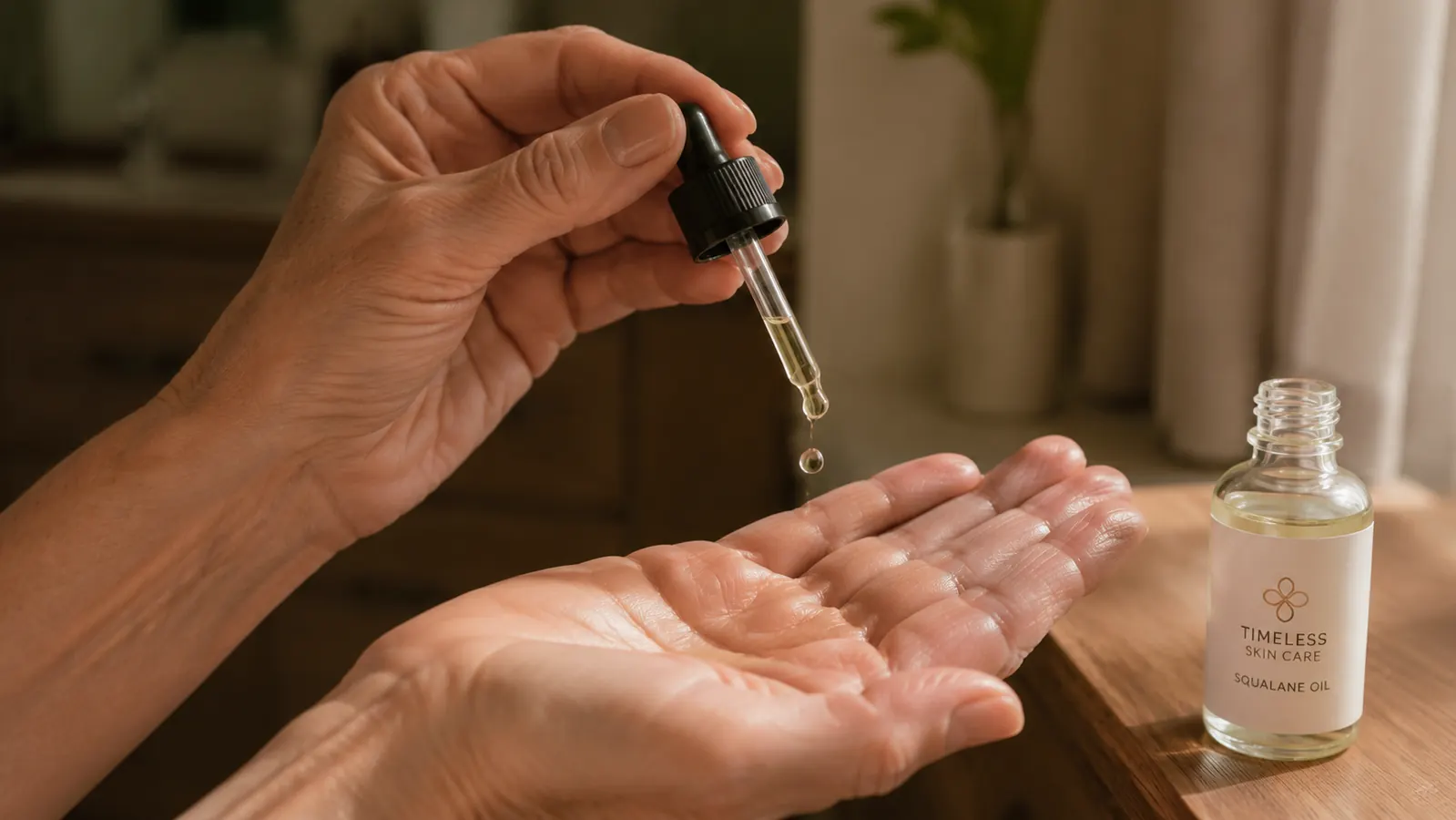
The bottle's directions say to apply a few drops morning and night. That advice is technically correct and also the reason so many people try squalane oil once, decide it feels greasy, and shove the bottle to the back of a drawer. A few drops means two, maybe three if your skin is having a genuinely rough week. It does not mean the generous, satisfying pour a lot of us are used to from lotion bottles. I learned this the slow way, by using too much for the first two weeks and wondering why my forehead looked shiny by ten in the morning instead of dewy.
What actually works is warming two drops between my fingertips first, so the oil turns almost weightless before it ever touches my face, then pressing it into skin that's still slightly damp from washing or from a hydrating mist. Pressing, not rubbing. I do this at night every time and only in the morning when my skin feels especially tight, usually two or three mornings a week rather than daily. That single change, using less and pressing it in warm instead of rubbing it in cold, is the difference between this oil looking like glow and looking like I forgot to blot my face.
Order matters too, and nobody tells you this on the label either. This goes on last, after any water-based serum, never before it. Oil on top of serum lets the serum's water-based ingredients actually absorb first, then the squalane seals moisture in behind it. Oil underneath a serum just sits there as a barrier and blocks everything else from doing its job. I made that mistake for almost a month before I bothered to look it up.
The Squalane vs Squalene Mix-Up Nobody Warns You About
Here's something that would have saved me an awkward phone call with my daughter if I'd known it sooner. Squalane and squalene are not the same word spelled differently by accident. Squalene is the naturally occurring oil your own skin produces, and older cosmetic products sourced a manufactured version of it from shark liver. Squalane, the ingredient actually in this bottle, is the stable, shelf-safe version made by hydrogenating that molecule, and the plant-based versions on the market today, including this one, are typically derived from sugarcane rather than any animal source.
That distinction matters for two practical reasons beyond the obvious ethical one. First, plant-derived squalane is far more shelf-stable than the animal-sourced original, so it resists going rancid the way a lot of natural facial oils do sitting in a bathroom that gets warm and humid. Second, it's genuinely non-comedogenic for most skin types because the molecule closely mimics what your own skin already makes, which is a big part of why it absorbs without the heavy, sitting-on-top feeling some plant oils leave behind. If a bottle doesn't say plant-derived or sugarcane-derived anywhere on it, that's worth checking before you buy, because not every squalane product on the market is upfront about its source.
I bring this up because I've had two different friends ask me, genuinely worried, whether this oil came from a shark. It didn't, and it wouldn't, because that older animal-derived form has mostly disappeared from reputable skincare shelves precisely because the plant-derived version does the same job without the ethical or stability problems. Still, if that question crosses your mind too, you're not being silly for asking it. You're just proving the label could stand to explain itself a little better.
The Rookie Mistake That Made My Skin Look Greasy, Not Glowing
I want to spend a little more time on this because it's the single biggest complaint I see in other reviews, and I think most of it is avoidable. People buy the oil expecting a lightweight glow and end up with a shiny forehead by lunchtime, then leave a review saying the product is too heavy. In almost every case I've compared notes on, the actual problem was portion size, not the oil itself.
A full dropper is not a serving. One press of the dropper bulb pulls up far more than your face needs, and a lot of us, trained by decades of lotion bottles that need a generous pump to do anything, instinctively use too much. Two drops covers an entire face comfortably once you've warmed it between your palms first. If you're still seeing shine an hour later, you used too much, not too little, and the fix is dialing back the next application rather than giving up on the product.
The other piece of this is patience. Squalane oil needs about sixty seconds of actual absorption time before you touch anything else to your face, including a pillow. I used to apply it and immediately start doing my hair, which meant my hands or a stray strand of hair would drag the oil around before it had settled. Giving it that one quiet minute changed everything about how it wore through the day.
Why the One-Star Reviews Don't Tell the Whole Story
I read through a stack of the lowest-rated reviews for this product one evening out of curiosity, and a pattern jumped out at me fast. Almost every complaint fell into one of three buckets: too greasy, broke me out, or didn't do anything. When I dug into the greasy complaints, nearly all of them mentioned using it liberally or generously, which tells me the same over-application problem I made myself. The breakout complaints mostly came from people who applied it over other heavy products rather than as the final, thin layer it's meant to be.
The didn't do anything complaints were the most understandable to me, because squalane oil is a moisturizing and glow ingredient, not a treatment ingredient. If someone was hoping it would fade dark spots or erase a wrinkle, of course they came away unimpressed. None of this means the negative reviews are dishonest. It means a single-ingredient product like this one lives or dies on whether you understand what it's actually for and how little of it you need, and that expectation gap is where most of the disappointment lives.
What It Won't Fix, and I Wish Someone Had Told Me
I don't like reviews that promise a miracle, so let me be direct about what this oil is not going to do. It is not going to soften a deep wrinkle you've had for fifteen years. It plumps and hydrates the skin around fine lines, which makes them look less pronounced in the right light, but it isn't a retinol and it isn't going to rebuild collagen on its own. If your main concern is deep expression lines rather than dryness and dullness, this oil is a helpful supporting player, not the main event.
It also isn't sunscreen, and I say that because I've seen comments from people who assumed a natural face oil offered some built-in sun protection. It doesn't. I still wear a separate SPF every single morning, oil or no oil, and so should you. And while squalane is generally gentle enough for acne-prone skin because it's non-comedogenic, it isn't a treatment for active breakouts. If you're dealing with genuine acne, this is a good moisturizing layer to pair with a real treatment product, not a replacement for one.
As for timeline, don't expect a dramatic before-and-after in three days no matter what a caption somewhere promises you. The glow effect is mostly immediate, because it's reflecting light differently the moment it's on your skin. The deeper improvement, less flaking, fewer tight patches, a generally calmer complexion, took me closer to three or four weeks of consistent, correctly-portioned use to really notice.
How It Holds Up Against Pricier Oils I've Tried
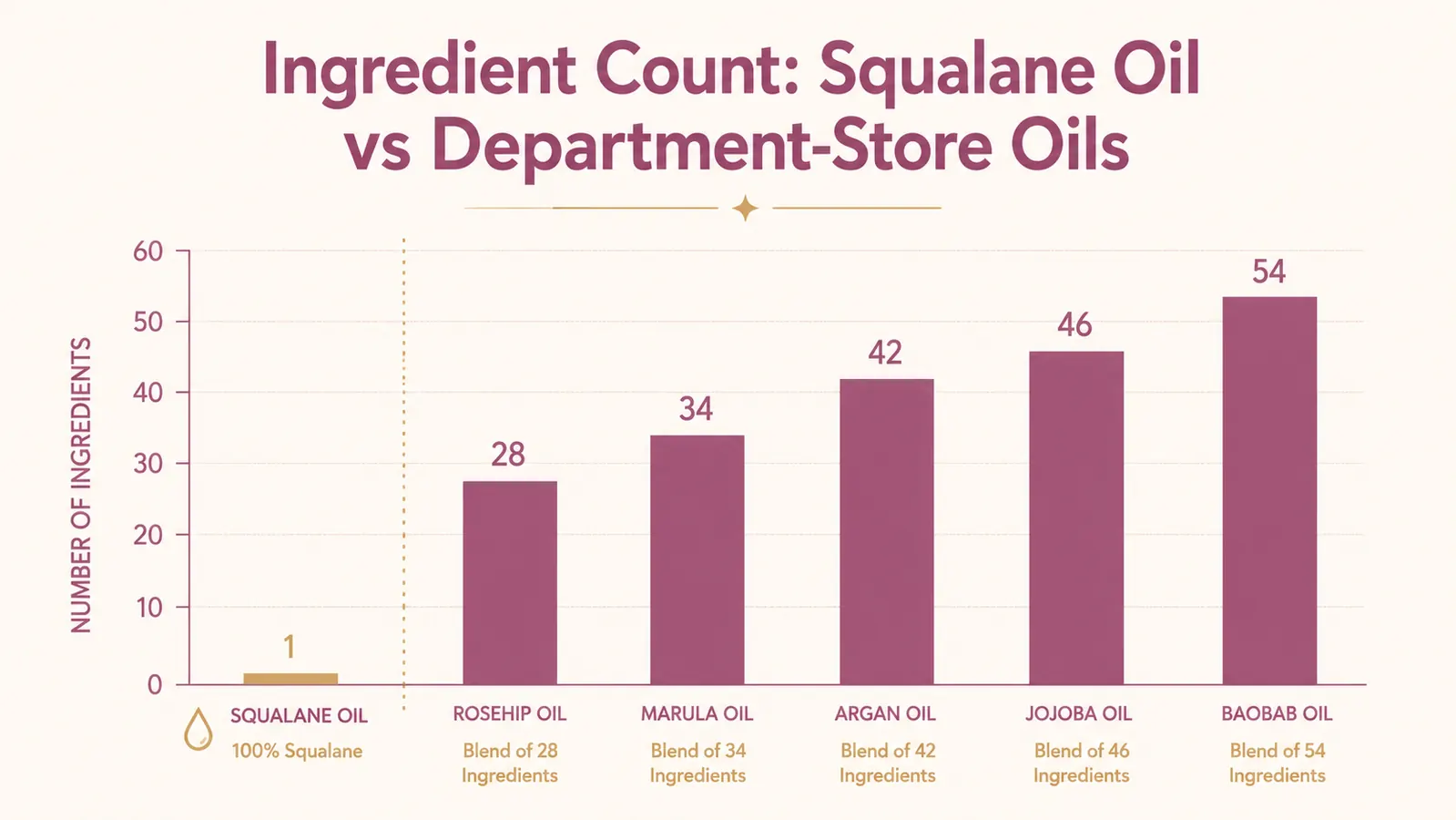
I've gone through rosehip oil, marula oil, and one fancy blended facial oil with a dozen ingredients on the label and a much fancier box. Here's the honest comparison. The blended oil with the long ingredient list smelled wonderful and felt luxurious, but I could never tell you which ingredient was actually doing the work, and it went rancid faster sitting in my bathroom than my Timeless Skin Care bottle ever has. Marula oil felt lovely but heavier, better suited to nighttime only for my skin. Rosehip oil absorbed beautifully but did less for the tight, flaky patches along my nose that squalane handles better.
What I keep coming back to with Timeless Skin Care is the simplicity. One ingredient means one thing to evaluate, no fragrance masking anything, and nothing to react to if your skin gets fussy the way mine sometimes does after a season of hot showers and dry indoor heat. It doesn't smell like anything, which some people miss and I've come to appreciate, because it means I can layer it under any other product without a fragrance war happening on my face. And because a little truly does go a long way, one small bottle has consistently outlasted every fancier oil I've bought at three or four times the size.

The Packaging Detail That Almost Made Me Return It
This is a small thing but it tripped me up enough that I want to mention it. The bottle is dark amber glass with a standard glass dropper, and the dropper itself doesn't have any measurement markings on it. My first instinct was to squeeze the bulb fully every time, which is exactly the over-application mistake I described above. Once I started only squeezing the bulb about a third of the way, I got a much more consistent, appropriately small amount every time. It's a five-second habit to build, but nobody tells you to build it, and the label certainly doesn't explain it.
What I Liked
- Single, honest ingredient with no fragrance or filler to react to
- Absorbs completely once you use the right amount
- Shelf-stable, plant-derived, and non-comedogenic for most skin types
- Layers well under makeup and other skincare without pilling
- A little genuinely goes a long way once you learn the right portion
Where It Falls Short
- The dropper has no measurement markings, so overuse is an easy early mistake
- Won't touch deep wrinkles or replace a retinol
- No fragrance at all, which some people find underwhelming for the price
- Needs a full minute to absorb before you touch your face again
- Not a sunscreen substitute, full stop
The mistake isn't buying an inexpensive oil. The mistake is using it like it's an expensive one, drop after wasteful drop, when two is genuinely plenty.
Who This Is For
This oil makes the most sense for someone with dry to normal skin who wants one honest, simple product instead of a nine-step routine, and who's willing to spend the first week or two learning the right amount instead of judging it after one heavy-handed application. If tight, flaky patches or a dull, flat complexion are your main complaint, especially through fall and winter, this is worth the small investment to try, and worth sticking with past the first slightly-too-shiny attempt.
Who Should Skip It
If your skin already runs oily or you live somewhere hot and humid year-round, you may find even two drops is more than you need most days, and a lighter gel moisturizer will serve you better. And if what you're really after is visible wrinkle reduction rather than hydration and glow, your money is better spent on a retinol or peptide product, with this oil layered on top afterward if your skin needs the extra moisture on top of that.
Ready to Try It the Right Way From Day One?
Now that you know the two-drop rule, the layering order, and what to actually expect, you'll get more out of this bottle in your first week than I did in my first month.
Amazon Check Today's Price on Amazon →